Here you will find guidelines (how-to guides) explaining the different things that an organisation should do to make parts of your work more inclusive.
Each section has a list that tells organisations the steps to take to include people with intellectual disabilities.
Check the sections below to find out how.
People with intellectual disabilities are often left out because organisations do not communicate using easy-to-understand language.
Many people have never met a person with an intellectual disability. They may not understand how to communicate in an accessible way.
Accessible communication is good for organisations because more people will understand your work and can get involved.
Self-advocates often meet people who don't know how to communicate respectfully.
People with intellectual disabilities may use different communication methods other than written communication or speech.
Organisations usually communicate through email, websites or social media. People with intellectual disabilities often miss these types of communication. This may be because they do not have support to access email, websites and social media themselves or because the emails, web pages and social media posts are difficult to read and understand.
When people with intellectual disabilities do receive communications from organisations, they may need more time to respond. Organisations do not always allow enough time.
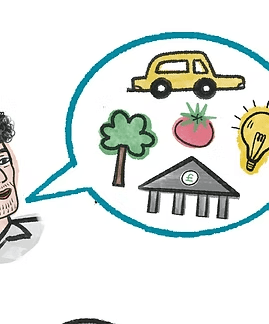
Alternative types of communication
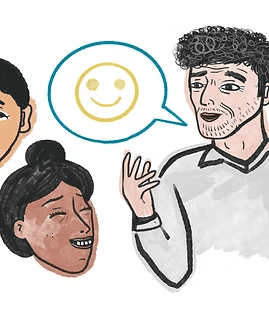
Respectful Communication


Accessible information about your work will mean that more people can understand it and get involved in your organisation.
Try to make only one inclusive version for your information. Creating separate versions of information takes up money and time.
Separate versions of information can also exclude people with intellectual disabilities from extra information other people get.
Many organisations, countries, or regions have standards or methods for creating accessible materials. For example, in Europe, there are Easy-To-Read standards created by the European Platform of Self-Advocates.
Most information is often long, complicated, and uses jargon or difficult language.
Self-advocates are the experts and must be included in the process of planning or making accessible information.
When accessible information is produced organisations do not think about how it will reach people with intellectual disabilities. It is often difficult to find, for example on a website that most people do not know about.
Information is only provided in one format, like a written Easy Read document. Other options like videos are not considered even though they may be quicker and easier to understand.
Making information accessible to people with intellectual disabilities is often the last step and is a check box exercise. This does not lead to people really being included.

Written information
Videos
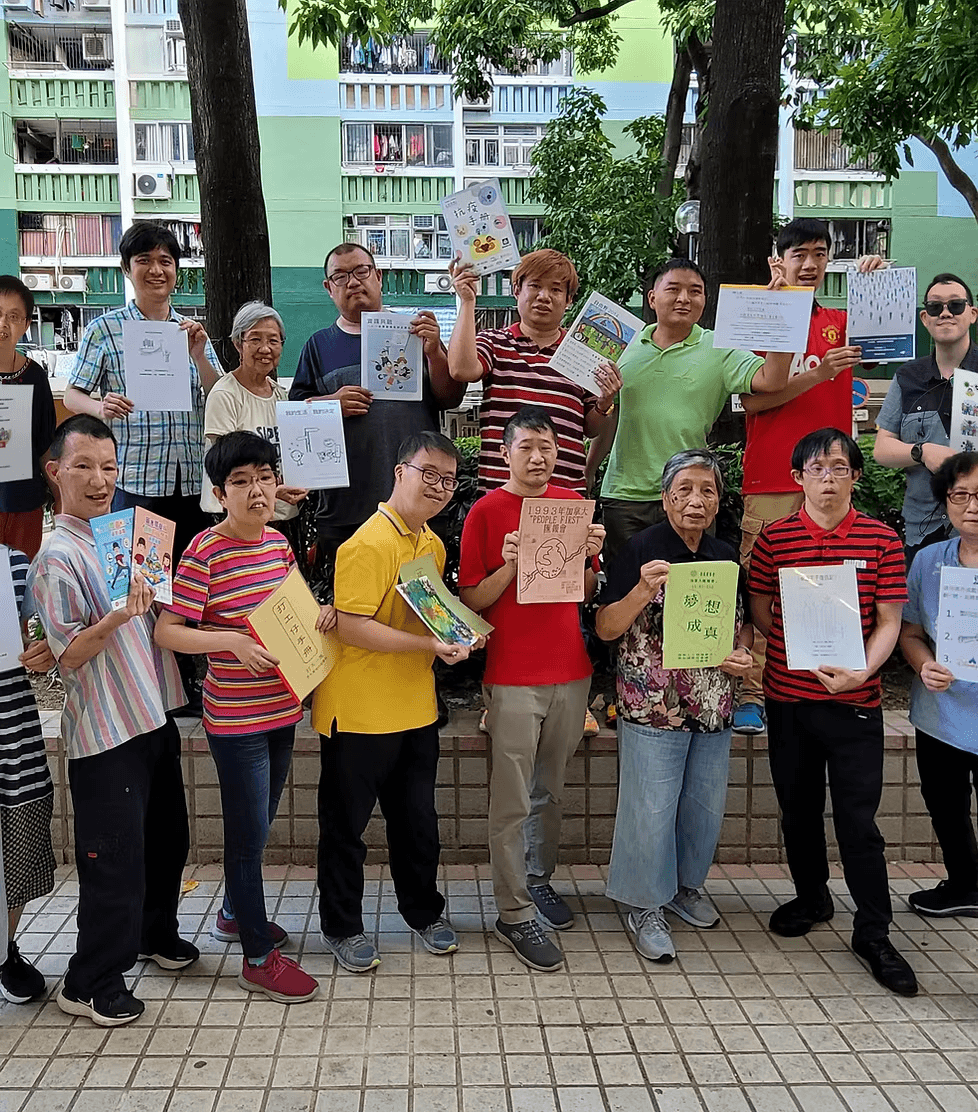
Chosen Power: People First Hong Kong are a self-advocacy organisation in Hong Kong.
Chosen Power campaign for accessible materials. They produce accessible materials for all members. They are also paid to do this work by different organisations.
Their process is to review the information, break it up into short easy to understand parts and then plan images that will work with the text.
Two self-advocates of the group are the illustrator, base on the short and easy text, they design the images.
The document is reviewed and approved by inclusive audit team: this includes self-advocates and families before being shared.
A good example of this process is their COVID 19 information which was translated into many languages including sign language.
Support is the extra help that a person may need to do a task, understand information, or develop skills.
Every person gives and receives different kinds of support every day.
People with intellectual disabilities may need extra support to:
make and understand decisions
learn new skills
understand information
communicate with other people
be included or involved in an activity or an event
The type and amount of support someone needs are different for everyone. Support will change in different environments and over time.
Families are often self-advocates first and most important supporters
Support is not the same as 'care'
There is little understanding, experience or training on good support for people with intellectual disabilities.
People with intellectual disabilities have to put up with poor support because there are no other options.
Understanding support
Giving good support
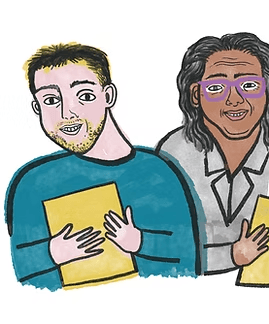
Support people working with the Alexandria Self-Advocate Resource Centre in Egypt are chosen by the self-advocate group.
Support people are often volunteers or family members.
All support people go through a 2 day training on Good Support and the rights of people with intellectual disabilities which is led by self-advocates.
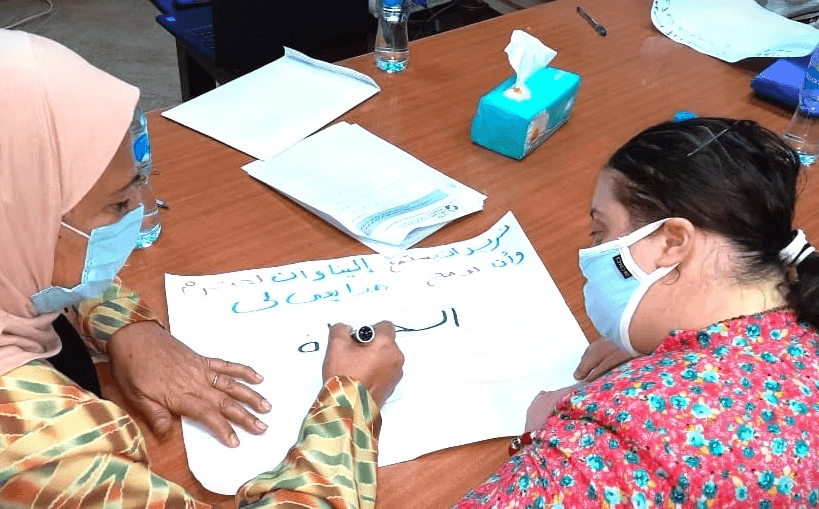
A lot of an organisation's work happens through meetings. For example team meetings, project meetings, or committee meetings.
By planning meetings to be inclusive, people with intellectual disabilities can take part in all types of meetings.
Meetings are places where they often feel excluded.
Communication and information about meetings is difficult to understand
During meetings, people speak too quickly and do not use accessible language
People are not given enough time to share their ideas
People are not given the information in advance to prepare for the meeting
Follow up actions are not always clear
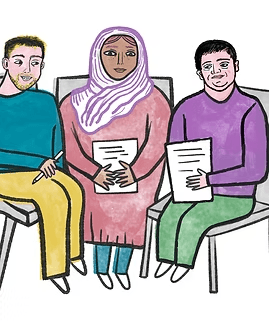
Everyday meetings

Online Meetings
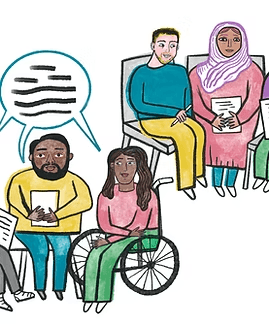
Conferences
Training
Focus groups
The European Platform for Self Advocates (EPSA) is a regional self-advocacy organisation supported by Inclusion Europe.
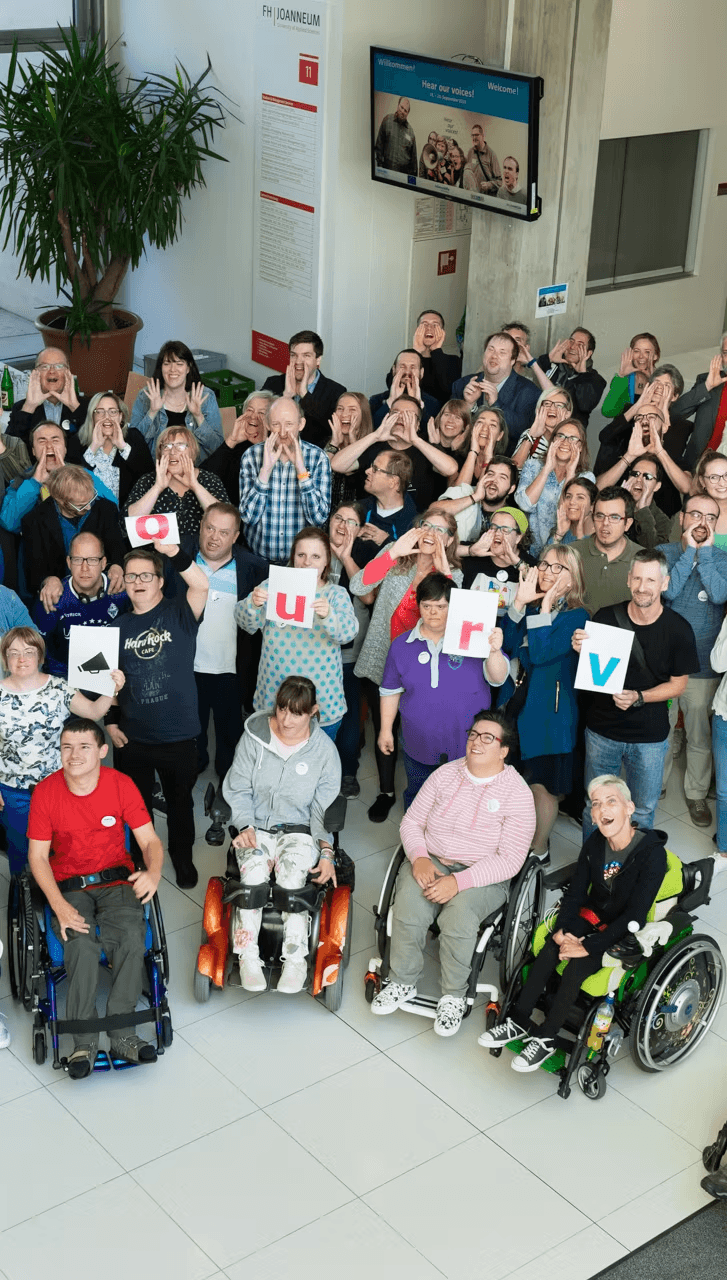
Every two years The European Platform for Self Advocates (EPSA) runs a conference for self-advocates in Europe called Hear Our Voices.
The conference program is always designed with self-advocates, who suggest the topics and speakers.
All information shared is in an accessible format.
Speakers are given clear guidelines on how to present in an accessible way.
Participants are encouraged to use traffic light cards and stop the sessions or ask questions if speakers are not being clear.
There are regular breaks and opportunities to meet and talk.
Hear Our Voices workshop leaders are always persons with a disability. Workshop sessions have a clear format and encourage ice breakers and activities so that participants understand what to expect and have a chance to share their ideas and experiences.
Hear Our Voices is for self-advocates by self-advocates, on topics that are important to them in line with the Inclusion Europe strategy.
People with intellectual disabilities are one of the most excluded and hard to reach groups of people.
Consultations with people with intellectual disabilities are a good way to gather information to make your work more inclusive.
People with intellectual disabilities are often excluded from sharing their ideas and opinions.
Surveys are usually not accessible and are often shared through email or on websites that people with intellectual disabilities do not use.
Focus groups with a good facilitator work well for people with intellectual disabilities. They can give people time to talk about a topic in detail.
Focus groups

Surveys
The United Nations Development Programme (UNDP) wanted to write guidelines for including people with intellectual and psychosocial disability in elections and political processes.
They wanted to hear directly from people with intellectual disabilities and psychosocial disabilities themselves about how to make elections better. They partnered with Inclusion International, an organisation of persons with disabilities representing people with intellectual disabilities, to run inclusive and accessible consultations around the world. Together, United Nations Development Programme (UNDP) and Inclusion International chose 15 organisations of persons with disabilities from different regions and supported them to run a focus group in their country.
Plain language consent forms and plain language discussion questions were used in each country. All facilitators were given a plain language glossary of key terms, accessible slides, a facilitator's guide about how to run inclusive meetings, and were given a training about running the focus groups. People with intellectual disabilities were also included as facilitators.
Both the organisations of people with intellectual disabilities and the organisations of people with psychosocial disabilities used the same plain language tools, trainings, questions, and accessible reporting form.
Click here for the Easy Read version of the report.

People with intellectual disabilities must be included in the projects that organisations lead in our communities
This is not just for organisations that work on disability issues. This is also important for projects that are for everyone, because there are people with intellectual disabilities in every community.
By developing projects that include everyone, we can role model the inclusion we want to see in society.
This includes any work that happens in:
local communities
on a national level
in international development.
Organisations want people with intellectual disabilities to be part of projects, but usually, the activities in the project are not accessible or inclusive.
Lots of times projects will be planned and at a later stage organisations will think about including people with intellectual disabilities.
There are sometimes projects just for people with intellectual disabilities, but these are usually not designed by people with intellectual disabilities.
Budgets for projects are planned without thinking about the time, accessibility or reasonable accommodations that people need.
Planning
Budgeting

Evaluation
As part of the Inclusive Futures project, tech company Benetech worked to create a mobile app about the right to employment for people with intellectual disabilities.
Benetech worked with self-advocates from KAIH (an OPD representing people with intellectual disabilities and their families in Kenya) and a global team of self-advocate leaders from Inclusion International to develop the app.
At every stage of the app development, self-advocates were consulted and their feedback drove the the design and content. The result was an app that was practical and usable by people with disabilities with different support needs in Kenya. Now, self-advocates have a tool that they can use to get more information about their rights to employment, they can report on the advocacy they are doing, and they can report on times when their rights have been violated.
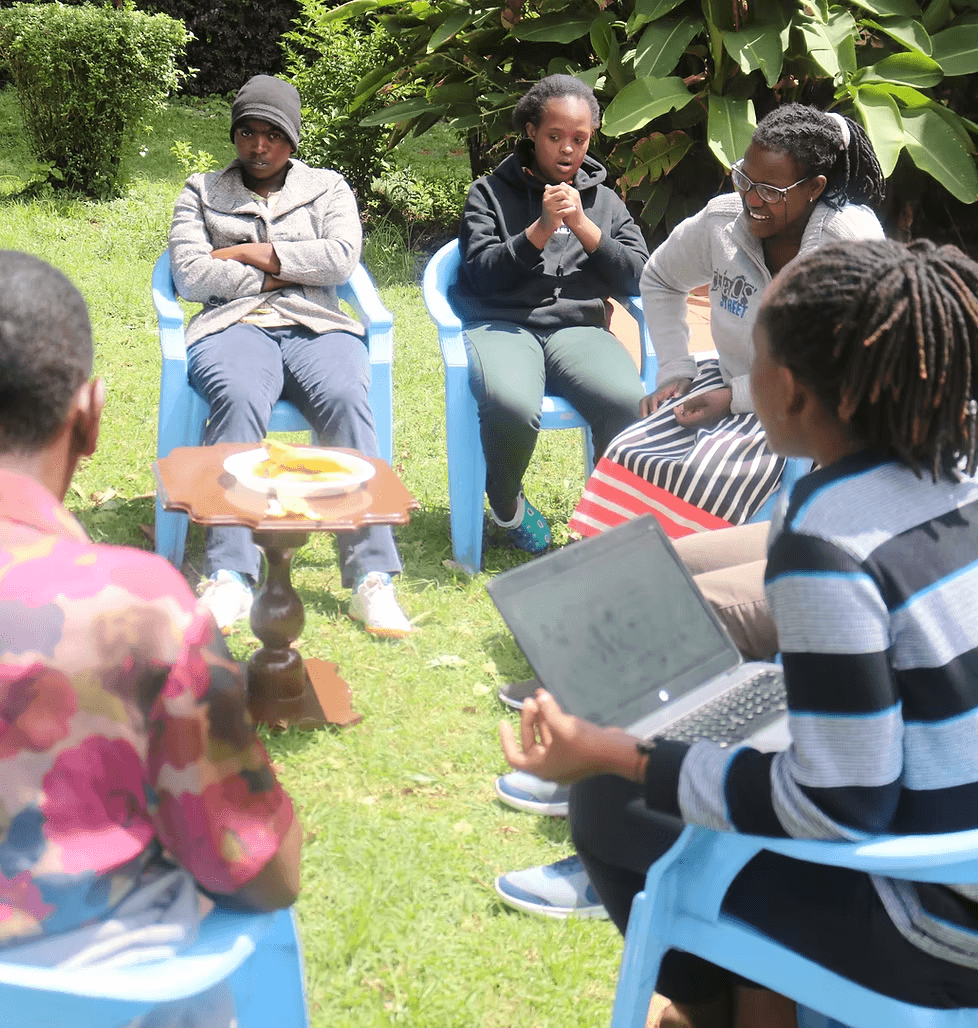
Many organisations do advocacy for the inclusion of people with intellectual disabilities. They may also do advocacy and campaign about issues that affect people with intellectual disabilities.
Inclusive organisations should include people with intellectual disabilities in all campaigning activities or advocacy work that affects them.
Self-advocates want to be included in campaigns and advocacy about issues that affect them
Campaigns in accessible language help make sure everyone can participate
Communicating about your campaign in an accessible way will help spread your message
If an organisation is speaking on behalf of people with intellectual disabilities, it should be a self-advocate representing them

Advocacy
Campaigning
Self-advocacy
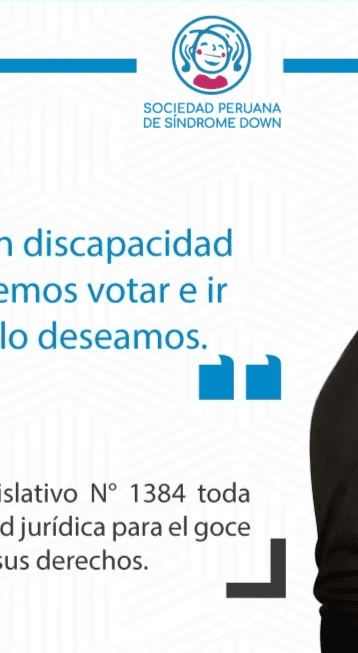
Sociedad Peruana de Síndrome de Down are a Down Syndrome organisation in Peru.
Their campaigns and advocacy work is inclusive of people with intellectual disabilities.
People with intellectual disabilities are part of planning campaigns. For example, awareness raising campaign videos are planned by self-advocates and feature their experiences.
In their advocacy work, Sociedad Peruana de Síndrome de Down have also been successful in working with self-advocates to change national policies. Self-advocates played an important role in the work Sociedad Peruana de Síndrome de Down did to guarantee the right to vote for people with intellectual disabilities. Self-advocates were supported to meet with decision makers and shared their experiences through the media.
Including people with intellectual disabilities in leadership improves an organisation.
The organisation gets to use the skills and ideas of self-advocates, and they become a role model for inclusion to others. This is especially important for organisations that advocate for human rights.
If people with intellectual disabilities are not given the right support to learn, build skills, make decisions, and share their opinions within an organisation, their position in leadership is tokenistic.
People with an intellectual disability are denied choice and the right to make decisions. This means that their voices are often not heard.
People with intellectual disabilities do not usually get leadership positions, like being board members or advisors
If you are used to being excluded and not listened to, becoming a leader and getting used to making decisions takes time and practice.
Self-advocacy empowers people with intellectual disabilities to move from personal decision-making to representing others.
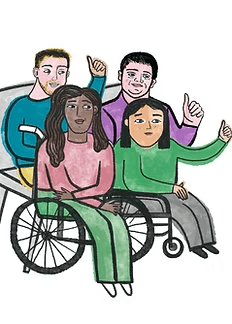
Inclusive leadership in organisations
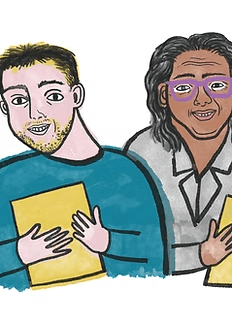
People First New Zealand Ngā Tāngata Tuatahi is a national Disabled Person Organisation in New Zealand.
People First New Zealand assists people with intellectual disabilities to understand their rights and become active self-advocates. They also advocate and work with policy-makers to make sure the rights of people with intellectual disabilities are real and respected in New Zealand.
People First New Zealand is led by a National Committee who are self-advocates. The Committee make the decisions about the work of People First New Zealand. They are assisted by advisors who make sure the information needed to make decisions is clear and understood.
People First New Zealand also assist their members to be leaders and make decisions at other organisations that are working for inclusion. For example, their Life member, Sir Robert Martin, has served on the Inclusion International Council and is part of the UN Committee on the Rights of Persons with Disabilities.

Employing people with intellectual disabilities shows that your organisation values and respects the experiences and skills of people with intellectual disabilities.
It shows that you want your staff to be as diverse as our communities, and it shows that your organisation role models the inclusive community that you want to see.
Jobs for people with intellectual disabilities must be meaningful and useful, like any other employee without an intellectual disability. All employment contracts and working conditions (including wages) should be fair and equal to people without disabilities.
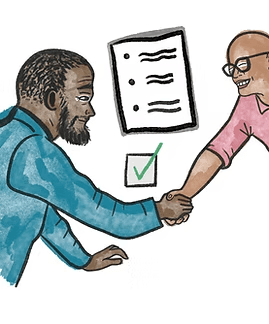
It is difficult to find and apply for jobs because applications are not accessible
Often the only jobs that organisations will hire people with intellectual disabilities for are jobs that they think are "easy" or less important
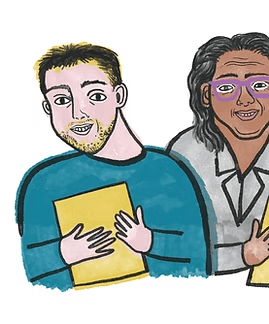
People do not get good support when they are at work
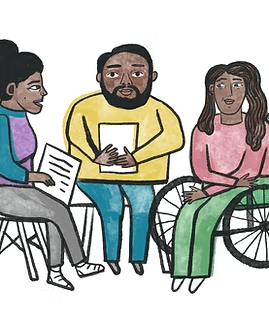
Co-workers will often exclude people and not treat them like a real part of the team
Recruitment and hiring people
Giving good support at work
Creating an inclusive workplace