1
For people with intellectual disabilities, families are often their first and most important supporters.
However, anyone can learn to be supportive of people with intellectual disabilities.
Support usually does not take any special skills other than respect for the rights of people with an intellectual disability and a willingness to be flexible.
2
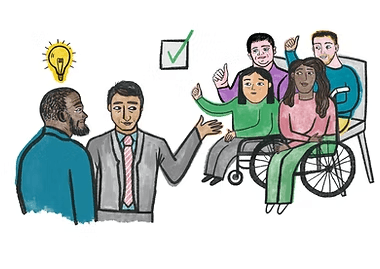
Everyone who is working with people with intellectual disabilities should understand good support.
People with intellectual disabilities told us that having good support makes sure that:
they understand what is happening around them
they are included and involved
they are developing new skills
they have the time they need
they are listened to and can say what they think
their decisions are respected
they can do their jobs or fulfil their tasks to the best of their ability
3
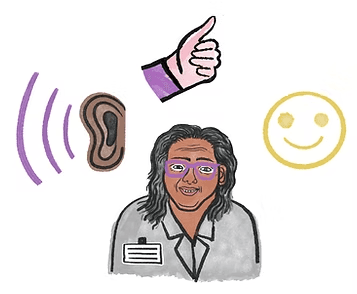
People with intellectual disabilities told us that the most important qualities of a good support person are:
a good listener
friendly
have experience and knowledge about the work they are supporting with
trustworthy
encouraging skill development
supportive of decision-making
understand what support is needed and when
respectful
patient
able to explain things clearly using everyday language
4
It is everyone's responsibility to adjust the way that they work with people with an intellectual disability.
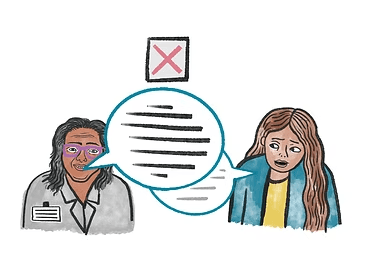
Although many times a person may have a support person they work closely with it is not the role of one person to act as a go-between.
For example, in a meeting that includes a person with an intellectual disability, everyone must speak in an accessible way so that the person is included, not rely on a support person to 'translate'.
5
Inclusive organisations should be able to recognise and challenge poor support and empower people with intellectual disabilities to do the same.
People with intellectual disabilities say that poor support is when:
people make decisions for them without including them
their supporters control what they do and when
their supporters overprotect them or treat them like children
they do not understand what is happening or why
they are not part of what is going on and can’t join in
they are not listened to
the supporter talks over them or answers for them
the supporter does things for them or to them not with them
the support is not about what they want or need but about what the supporter wants to do
6
Make sure that the person with an intellectual disability is always in control of their support.
Often people with intellectual disabilities are not involved in who is chosen to support them or part of deciding how they will be supported.
People with intellectual disabilities should always be part of any conversations or decisions about their support.

Good Support guide