About Listen Include Respect
About Listen Include Respect
About Listen Include Respect
The Listen Include Respect guidelines help organisations understand what they need to do to make sure people with intellectual disabilities are included in their work.
They were written by Inclusion International and Down Syndrome International.
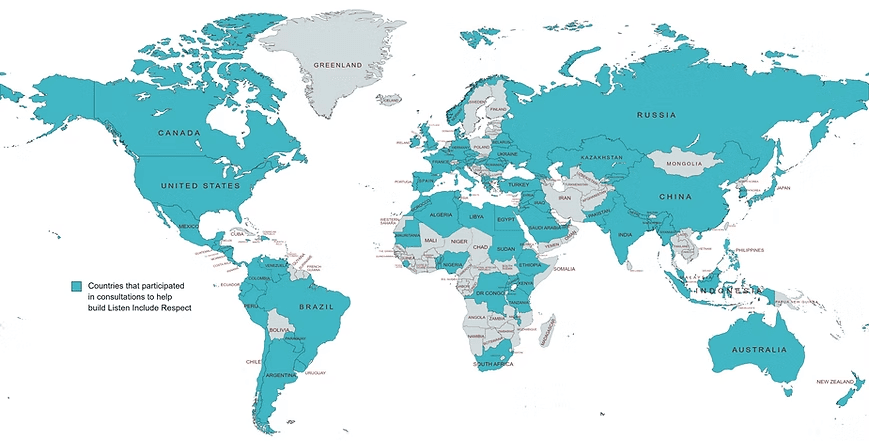
Over 1,500 people with intellectual disabilities and their families from almost 100 countries helped write them.
The Convention on the Rights of Persons with Disabilities (CRPD) tells us that all people with disabilities have the right to “meaningful participation.”
“Meaningful participation” is what happens when people with intellectual disabilities get everything they need to be fully included, participate equally, and feel valued.
These guidelines will help organisations to make this happen.
The Listen Include Respect guidelines help organisations understand what they need to do to make sure people with intellectual disabilities are included in their work.
They were written by Inclusion International and Down Syndrome International.
Over 1,500 people with intellectual disabilities and their families from almost 100 countries helped write them.
The Convention on the Rights of Persons with Disabilities (CRPD) tells us that all people with disabilities have the right to “meaningful participation.”
“Meaningful participation” is what happens when people with intellectual disabilities get everything they need to be fully included, participate equally, and feel valued.
These guidelines will help organisations to make this happen.
The Listen Include Respect guidelines help organisations understand what they need to do to make sure people with intellectual disabilities are included in their work.
They were written by Inclusion International and Down Syndrome International.
Over 1,500 people with intellectual disabilities and their families from almost 100 countries helped write them.
The Convention on the Rights of Persons with Disabilities (CRPD) tells us that all people with disabilities have the right to “meaningful participation.”
“Meaningful participation” is what happens when people with intellectual disabilities get everything they need to be fully included, participate equally, and feel valued.
These guidelines will help organisations to make this happen.
What are the Listen Include Respect guidelines?
What are the Listen Include Respect guidelines?
What are the Listen Include Respect guidelines?
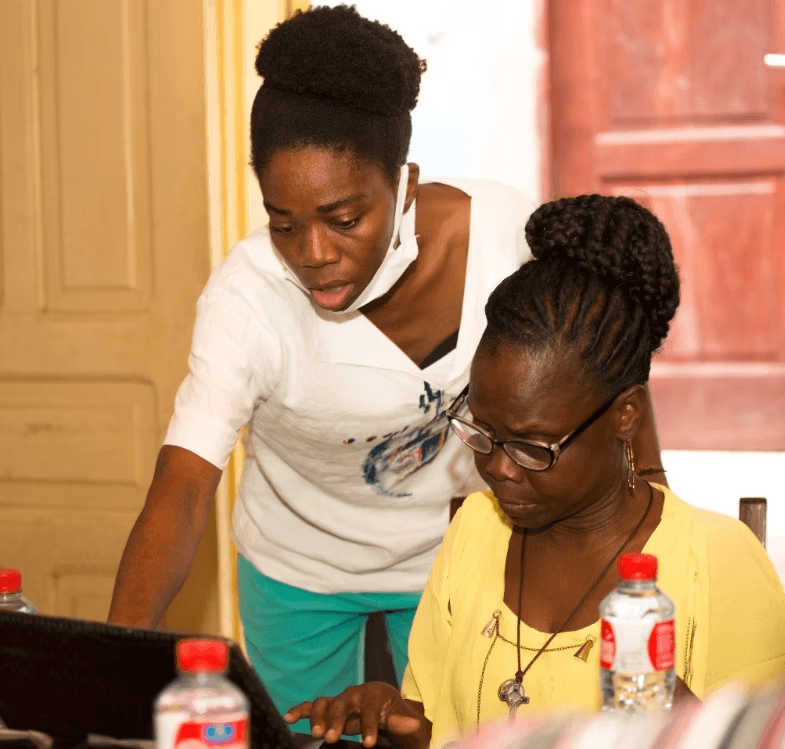
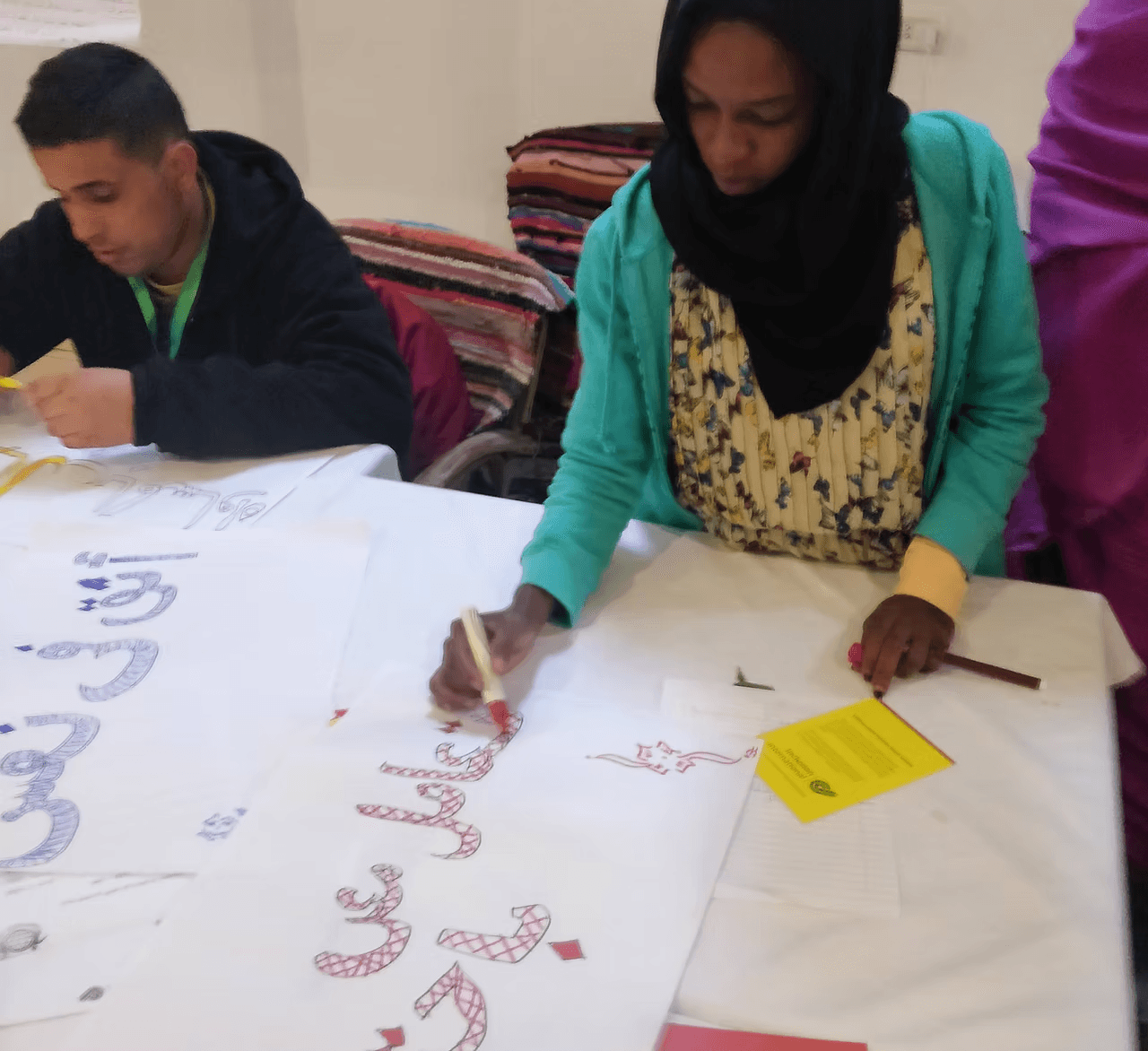
The Listen Include Respect guidelines help organisations understand what they need to do to make sure people with intellectual disabilities can take part in their work and are included in decision making.
People with intellectual disabilities may work with an organisation in different ways. For example, as employees, service users, volunteers, board or committee members, or as people involved in projects.
Inclusion is not just about having people with intellectual disabilities in the room. It is about making sure that everyone can take part and share their ideas alongside everyone else.
The Listen Include Respect guidelines are a practical tool to help organisations become more inclusive and make sure the way they work respects the rights of people with intellectual disabilities.
The Listen Include Respect guidelines help organisations understand what they need to do to make sure people with intellectual disabilities can take part in their work and are included in decision making.
People with intellectual disabilities may work with an organisation in different ways. For example, as employees, service users, volunteers, board or committee members, or as people involved in projects.
Inclusion is not just about having people with intellectual disabilities in the room. It is about making sure that everyone can take part and share their ideas alongside everyone else.
The Listen Include Respect guidelines are a practical tool to help organisations become more inclusive and make sure the way they work respects the rights of people with intellectual disabilities.
The Listen Include Respect guidelines help organisations understand what they need to do to make sure people with intellectual disabilities can take part in their work and are included in decision making.
People with intellectual disabilities may work with an organisation in different ways. For example, as employees, service users, volunteers, board or committee members, or as people involved in projects.
Inclusion is not just about having people with intellectual disabilities in the room. It is about making sure that everyone can take part and share their ideas alongside everyone else.
The Listen Include Respect guidelines are a practical tool to help organisations become more inclusive and make sure the way they work respects the rights of people with intellectual disabilities.
Who wrote the guidelines?
Who wrote the guidelines?
Who wrote the guidelines?
Inclusion International and Down Syndrome International are networks of organisations and people who work on the human rights of people with intellectual disabilities around the world.
We are organisations of persons with disabilities (OPDs). This means we represent people with intellectual disabilities and their families and we are led by people with intellectual disabilities and their families.
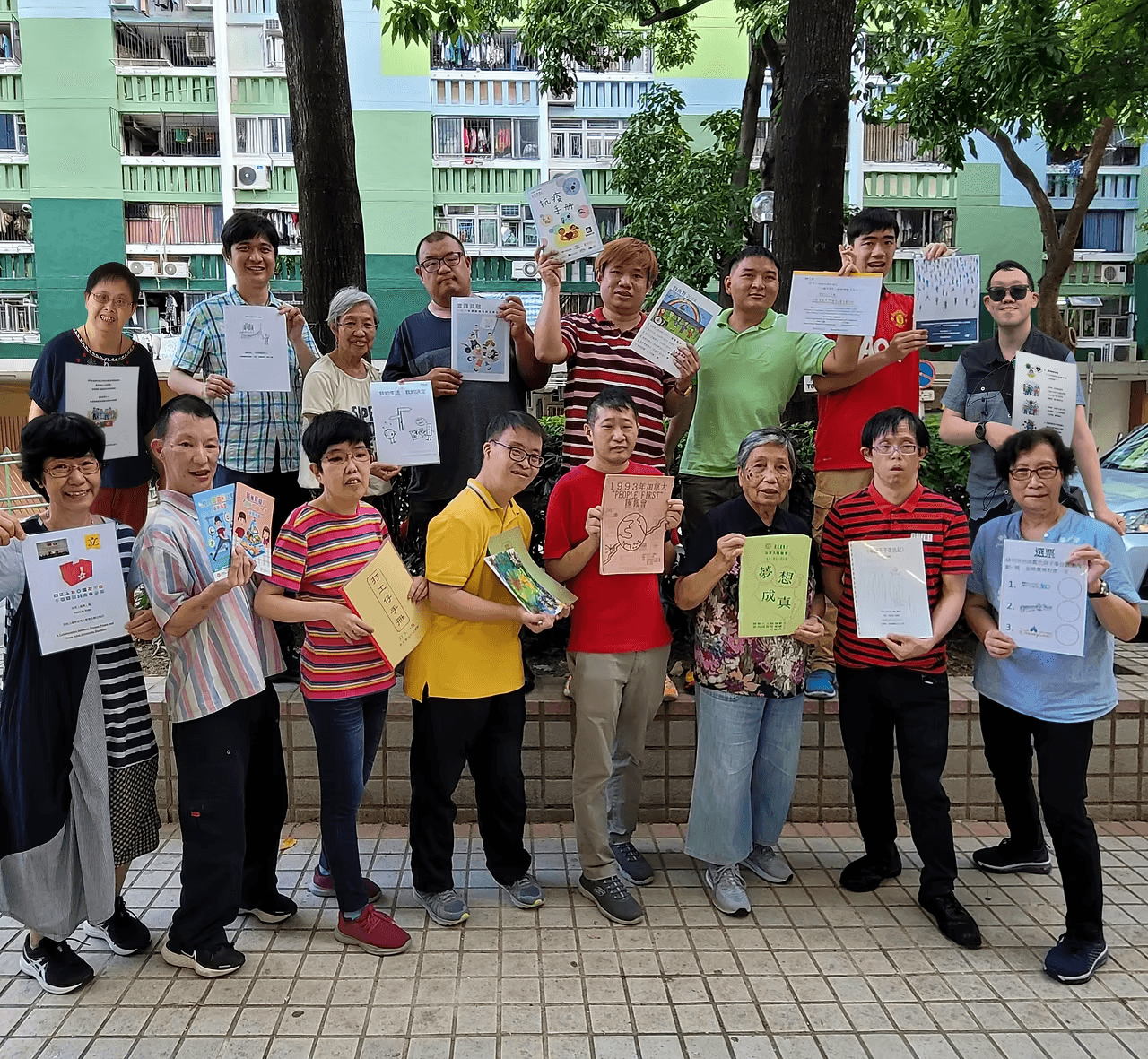
The guidelines came from people with intellectual disabilities and their families.
Inclusion International and Down Syndrome International brought together people from around the world to create these guidelines together.
Inclusion International and Down Syndrome International are networks of organisations and people who work on the human rights of people with intellectual disabilities around the world.
We are organisations of persons with disabilities (OPDs). This means we represent people with intellectual disabilities and their families and we are led by people with intellectual disabilities and their families.
The guidelines came from people with intellectual disabilities and their families.
Inclusion International and Down Syndrome International brought together people from around the world to create these guidelines together.
Inclusion International and Down Syndrome International are networks of organisations and people who work on the human rights of people with intellectual disabilities around the world.
We are organisations of persons with disabilities (OPDs). This means we represent people with intellectual disabilities and their families and we are led by people with intellectual disabilities and their families.
The guidelines came from people with intellectual disabilities and their families.
Inclusion International and Down Syndrome International brought together people from around the world to create these guidelines together.
How were the guidelines created?
How were the guidelines created?
How were the guidelines created?
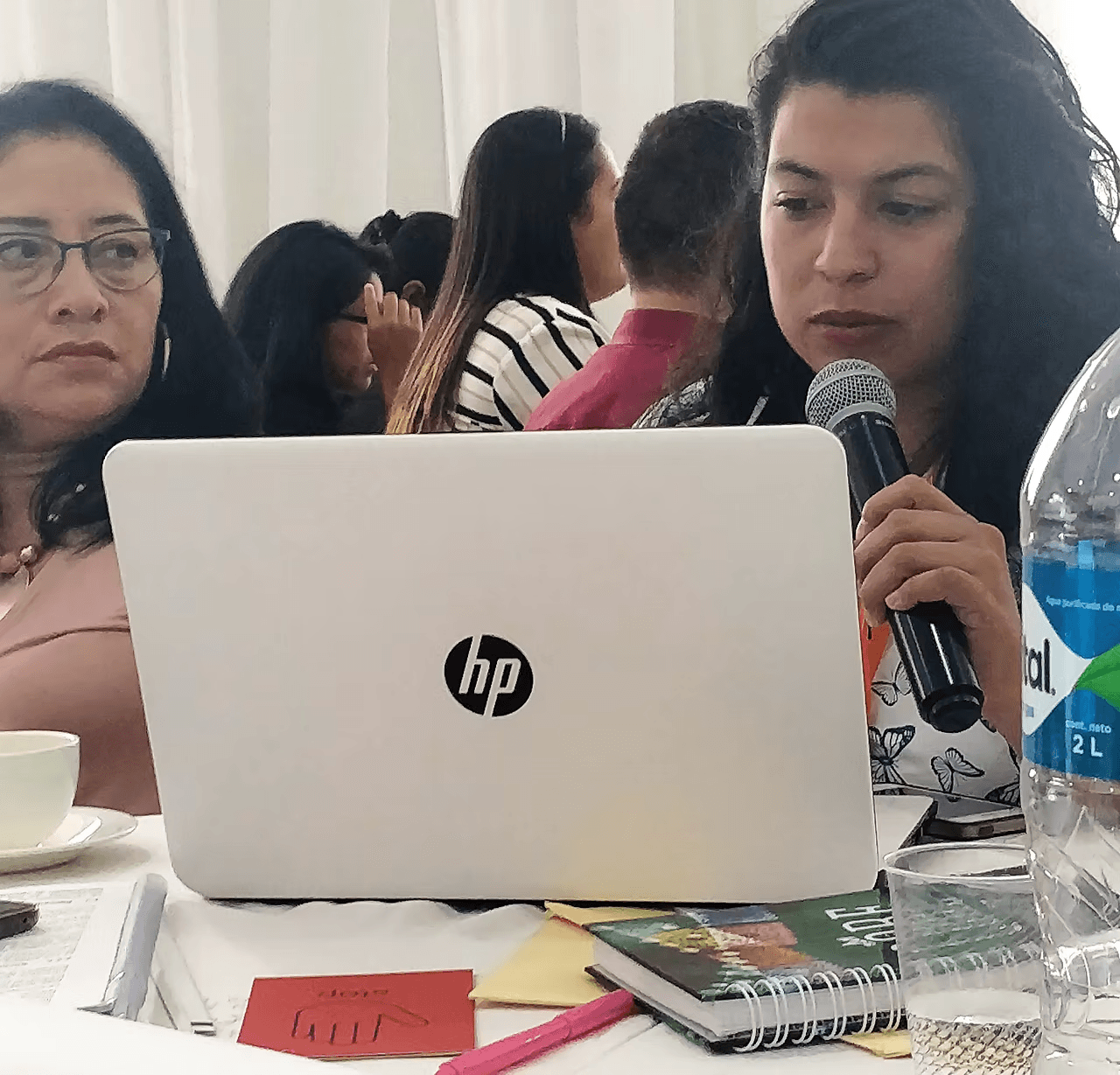
Inclusion International and Down Syndrome International's networks worked together to create the guidelines.
350 organisations from 100 different countries contributed to the work.
Inclusion International and Down Syndrome International's networks worked together to create the guidelines.
350 organisations from 100 different countries contributed to the work.
Inclusion International and Down Syndrome International's networks worked together to create the guidelines.
350 organisations from 100 different countries contributed to the work.
Inclusion International and Down Syndrome International's networks worked together to create the guidelines.
350 organisations from 100 different countries contributed to the work.
Inclusion International and Down Syndrome International's networks worked together to create the guidelines.
350 organisations from 100 different countries contributed to the work.
Inclusion International and Down Syndrome International's networks worked together to create the guidelines.
350 organisations from 100 different countries contributed to the work.
How do I use the guidelines?
How do I use the guidelines?
How do I use the guidelines?
To use the guidelines, start by understanding what an inclusive organisation is.
To use the guidelines, start by understanding what an inclusive organisation is.
To use the guidelines, start by understanding what an inclusive organisation is.
Next, look at the different How-to guidelines sections. Each section explains different things that an organisation may need support with.
For example:
planning inclusive meetings
hiring staff with intellectual disabilities
communicating in an accessible way
Next, look at the different How-to guidelines sections. Each section explains different things that an organisation may need support with.
For example:
planning inclusive meetings
hiring staff with intellectual disabilities
communicating in an accessible way
Next, look at the different How-to guidelines sections. Each section explains different things that an organisation may need support with.
For example:
planning inclusive meetings
hiring staff with intellectual disabilities
communicating in an accessible way
The guidelines are meant to be a tool that organisations can check back in on any time they are planning inclusive work.
The guidelines will be updated often with new examples and new content.
The guidelines are meant to be a tool that organisations can check back in on any time they are planning inclusive work.
The guidelines will be updated often with new examples and new content.
The guidelines are meant to be a tool that organisations can check back in on any time they are planning inclusive work.
The guidelines will be updated often with new examples and new content.
Examples of Using Listen Include Respect
Examples of Using Listen Include Respect
Examples of Using Listen Include Respect
Here, you will find examples of how Listen Include Respect has been used in different pieces of work.
These examples can help you learn what works, see examples of easy-to-understand materials, and understand how to include self-advocates in practice. Click the example below to find out more.
Here, you will find examples of how Listen Include Respect has been used in different pieces of work.
These examples can help you learn what works, see examples of easy-to-understand materials, and understand how to include self-advocates in practice. Click the example below to find out more.
Here, you will find examples of how Listen Include Respect has been used in different pieces of work.
These examples can help you learn what works, see examples of easy-to-understand materials, and understand how to include self-advocates in practice. Click the example below to find out more.
Making a website
Making a website
Making a website
To make sure the Listen Include Respect website was easy to use, a Reference Group of self-advocates worked together to give advice on the menus and layouts, language and illustrations.
To make sure the Listen Include Respect website was easy to use, a Reference Group of self-advocates worked together to give advice on the menus and layouts, language and illustrations.
To make sure the Listen Include Respect website was easy to use, a Reference Group of self-advocates worked together to give advice on the menus and layouts, language and illustrations.
Project to hear from girls with intellectual disabilities
Project to hear from girls with intellectual disabilities
Project to hear from girls with intellectual disabilities
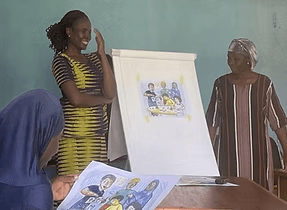
Inclusion International and the International Rescue Committee are working together on a project about making sure that humanitarian work includes girls with intellectual disabilities. The project follows Listen Include Respect guidelines.
Inclusion International and the International Rescue Committee are working together on a project about making sure that humanitarian work includes girls with intellectual disabilities. The project follows Listen Include Respect guidelines.
Inclusion International and the International Rescue Committee are working together on a project about making sure that humanitarian work includes girls with intellectual disabilities. The project follows Listen Include Respect guidelines.
© 2025 · Zayed Higher Organization for People of Determination · All Rights Reserved
© 2025 · Zayed Higher Organization for People of Determination · All Rights Reserved
© 2025 · Zayed Higher Organization for People of Determination · All Rights Reserved